Receiving training in Creative Arts and Culture Focusing (CACF) will provide you with a rich set of tools that will enable you to work with diverse populations in both clinical and non-clinical settings


You will have access to virtual resources related to the visual and performing arts from museums and other global sources. These resources will enhance the experience of your clients and participants. The resources are culturally sensitive and facilitate the processing of cross-cultural confusion in Focusing settings

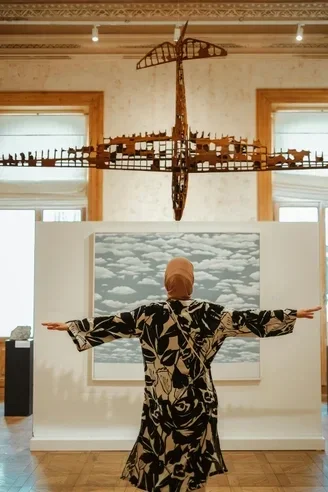
The Creative Arts and Culture Focusing (CACF) approach involves engaging clients with museum art through art-related, body-focused, and person-centered interactions. 

Based on evidence-based studies that have examined the effects of Focusing and museum art on well-being, the CACF approach surpasses traditional practices of verbal and art-related therapies
© Aysin / Pexels

How CACF works

The CACF approach uses cyclic processing, following the CACF  paradigm of engagement, expression, and exploration. It primarily uses the Receptive-Expressive Arts Focusing (REAF) method for this

To begin a CACF session or workshop, clients or participants are invited to bring artwork from museums or other cultural places to the studio, either physically or virtually. Participants can use flyers or photos they took during visits as visual references. Alternatively, they can access museum art on their smartphones or select art from books, catalogs, postcards, or the therapist's digital devices. Museum art includes pictures, art objects, installations, and more

Therapists can also use audio recordings of musical performances and videos of dance performances to work intermodally from the expressive arts framework

Engaging with art stemming from public environments, such as museums, galleries, and cultural institutions, helps clients and participants to distance themselves from clinical or vulnerable themes. They learn that they are more than just their symptoms or problems. Even if they cannot participate in local Arts on Prescription programs, which are becoming more prevalent around the world, experiencing museum art in a studio setting can help them feel like they belong

Creative Arts and Culture Focusing (CACF) programs enable clients and participants to explore art from their cultural heritage. This helps them reflect on mainstream sociocultural ideas and mindsets and how to break free from them. This is especially important for marginalized populations

A CACF session connects clients and participants with culturally sensitive museum art, as well as with their sensory and emotional experiences of the artwork. Participants alternate between receptive activities, such as observing the artwork through Slow-Looking, and expressive activities, such as drawing or movement. This combination fosters a deeper, more personal connection to the art and oneself 

The CACF process creates a transformative and meaningful experience by bridging the gap between the work of professional artists and the situational Felt Sense of the "More" of clients and participants, which exists beyond sociocultural concepts and aesthetic ideas. Consequently, working with museum art in a studio setting becomes a healing experience, allowing clients and participants to explore and restore their inner landscapes in a safe, contained environment

The CACF approach is trauma-sensitive because it allows clients and participants to explore their inner landscapes without verbalizing their traumatic experiences. Furthermore, they are not required to undergo classical Focusing processing, which can evoke overwhelming imagery for some. They are also not required to express themselves artistically firsthand. Moreover, artwork from professional museums serves as a holding container. This artwork implicitly represents their inner themes. Once clients and participants are ready, they can transition from implicit to explicit meaning-making by creating their own artwork based on their Art Sense (aesthetic-oriented) or Felt Sense (body-oriented)

After establishing a therapeutic or facilitation relationship through studio sessions, the therapist and client or participant can visit a local museum together. This visit serves as a space where clients and participants can transition from studio work to promoting their well-being in museum environments of their choice

When museum art does not work

Depending on their cultural or social background, as well as their sensual preferences, clients may not have access to any type of museum art, whether from the resources of museums or therapists 

In this case, using user-friendly art activities with materials they fency —such as painting with natural ingredients, eco-art installations, narrative storytelling, and movement—will help clients develop a foundation for culture-sensitive Felt Sense–Based Art activities that follow the CACP engagement, expression, and exploration paradigm

The Creative Arts and Culture Focusing (CACF) approach helps participants develop a sense of cultural identity during client-therapist interactions. Participants can empower themselves by bringing their own interpretations of art from museums and other cultural places. This reduces the hierarchical power dynamics present in traditional therapy settings, making CACF a culture-sensitive and person-centered approach

Make Space For Artlife. Start With Museum Art!